CDN (Content Delivery Network): What It Is and Why Your Website Needs It
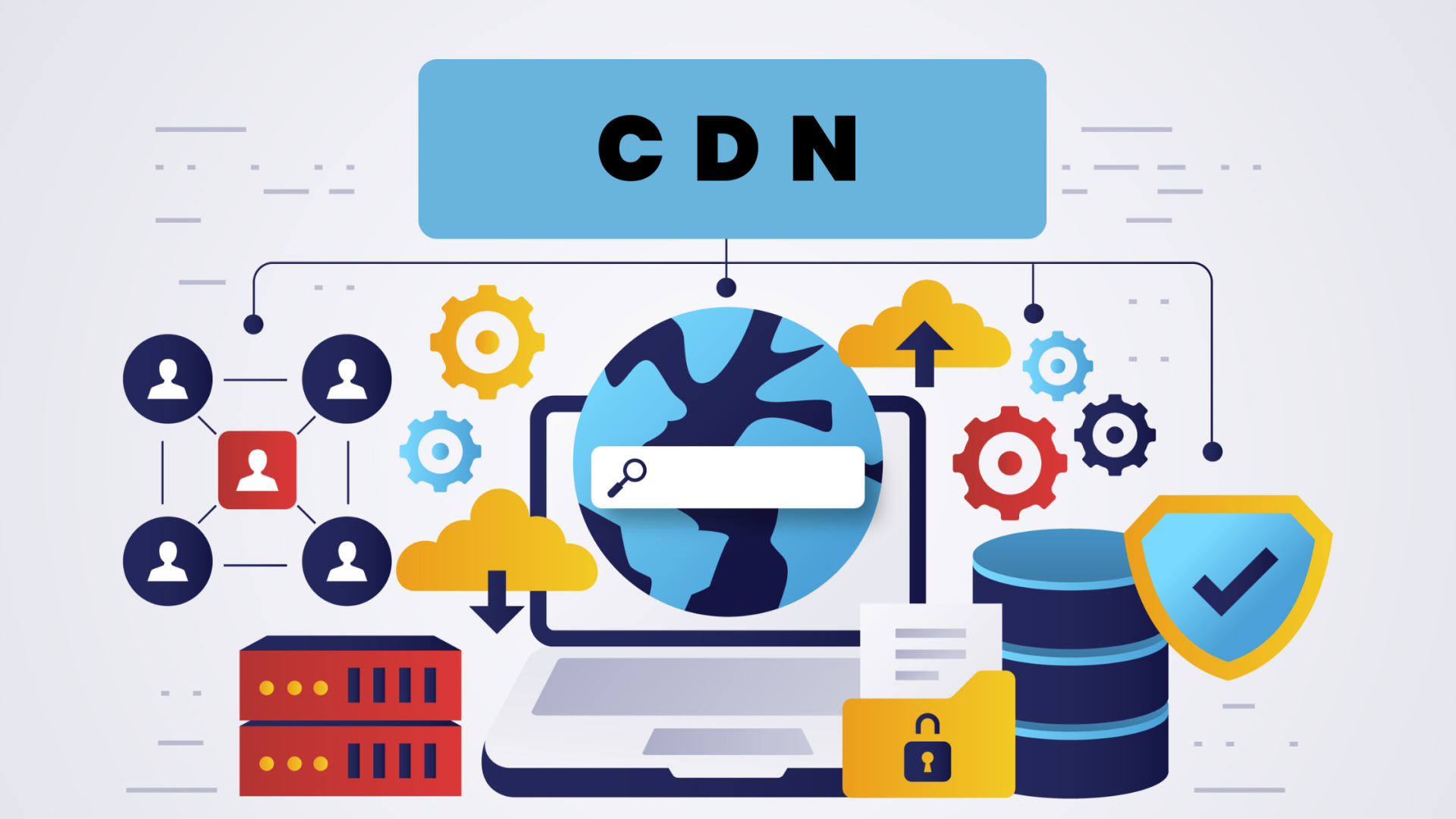


A Content Delivery Network (CDN) is a system of distributed servers located across different geographic regions that work together to deliver website content quickly and efficiently to users. Instead of loading content from a single origin server, a CDN serves it from the server closest to the user, reducing delay and improving performance.
What Is a CDN?
A CDN stores cached versions of your website’s static assets—such as images, videos, CSS files, and JavaScript—on multiple edge servers around the world. When a user visits your site, the CDN automatically delivers content from the nearest server, ensuring faster load times and a smoother experience.
How Does a CDN Work?
- User Request: A visitor requests a webpage from your site.
- Nearest Server: The CDN identifies the closest edge server to the user’s location.
- Content Delivery: Cached content is delivered instantly from that server.
- Origin Fallback: If content isn’t cached, the CDN fetches it from the origin server, delivers it to the user, and caches it for future requests.
Key Benefits of Using a CDN
- Faster Website Performance
By reducing the physical distance between users and servers, CDNs significantly lower latency and page load times.
- Improved User Experience
Faster-loading pages keep users engaged, reduce bounce rates, and increase conversions—especially on mobile devices.
- Better SEO Performance
Page speed is a ranking factor. CDNs help improve Core Web Vitals, boosting your website’s visibility in search engines.
- Reduced Server Load
Traffic is distributed across multiple servers, preventing your origin server from being overwhelmed during traffic spikes.
- Enhanced Security
Most CDNs offer built-in security features such as DDoS protection, Web Application Firewalls (WAF), and SSL/TLS encryption.
- High Availability & Reliability
If one server fails, others take over, ensuring your website remains accessible.
Types of Content Delivered by a CDN
- Images and videos
- HTML, CSS, and JavaScript files
- Fonts and downloadable files
- Streaming and media content
When Should You Use a CDN?
A CDN is especially useful if:
- Your website has a global or national audience
- You experience high traffic or sudden spikes
- You run an eCommerce, blog, or media-rich website
- Website speed and security are top priorities
Popular CDN Providers
- Cloudflare
- Akamai
- Amazon CloudFront
- Fastly
- Google Cloud CDN
Conclusion
A Content Delivery Network (CDN) is no longer optional—it’s essential for modern websites. By enhancing speed, security, reliability, and SEO, a CDN delivers a faster and more consistent experience to users across the globe.
Whether you manage a small blog or a large enterprise website, implementing a CDN can significantly improve performance and scalability. Contact us today to integrate a CDN and take your website performance to the next level.